
Your skin is where you see the problem. That does not mean it is always where the problem began.
Everyone asks me what skincare I use. And yes, skincare matters. The right products can protect your skin, support your barrier, improve hydration and visibly transform the way your skin looks and feels.
But skincare is still only one layer.
You can buy the most expensive serum in the world and still wake up looking puffy, dull, dry, depleted or completely unlike yourself when your body is under-hydrated, inflamed, stressed, undernourished, hormonally shifting or running on terrible sleep.
That does not mean your face has suddenly aged overnight.
It means your face is giving you information.
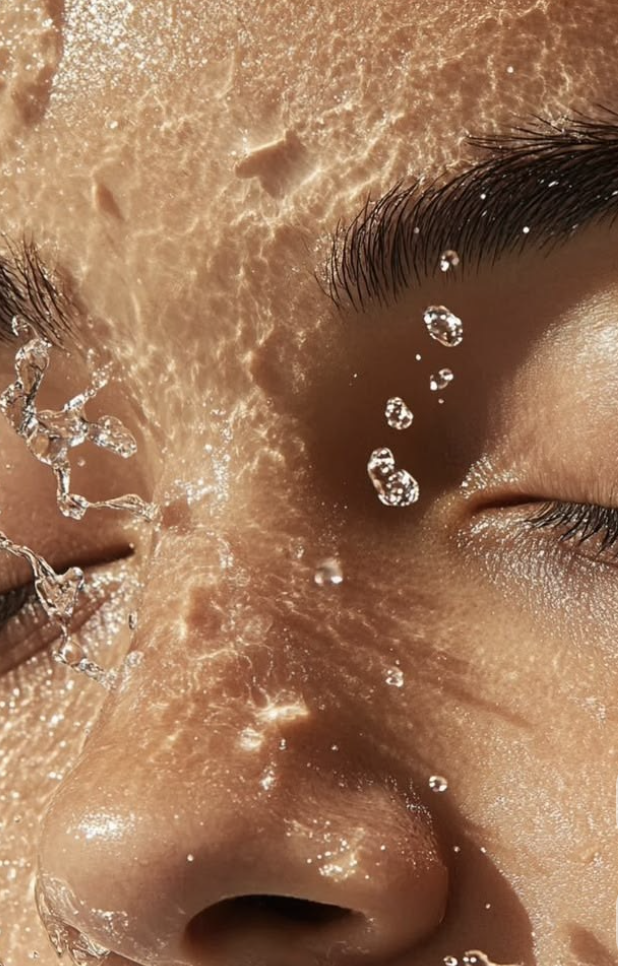
Beauty Is Biological
The biggest transformation in my own skin did not come from finding one magical product. It came from changing the environment my skin was living in.
I started paying attention to hydration, inflammation, food, hormones, sleep, stress, recovery, facial tension and what was happening inside my body—not only what I was applying to the outside of it.
That is when everything changed.
Your skin is a living organ. It relies on energy, nourishment, water, structural proteins, a functioning barrier and the ability to repair itself. It responds to your internal environment and the world around you.
This is why two women can use the exact same routine and get completely different results. It is also why a routine that once worked beautifully can suddenly stop feeling right during periods of extreme stress, hormonal change, illness, under-eating, poor sleep or aggressive over-treatment.
Your skincare did not necessarily stop working.
The conditions around your skin may have changed.
Your face does not exist separately from the rest of your body. It reflects the environment you are creating inside it.
The Five Hallmarks of Facial Aging
Most women are taught to think facial aging is one thing: collagen loss.
Collagen absolutely matters, but visible aging is more layered than one protein. Several biological processes can influence how quickly skin changes, how well it recovers and how vibrant it appears.
1. Declining Cellular Energy
Your skin cells require energy to perform normal functions, including renewal and repair. Mitochondria help produce that cellular energy.
As mitochondrial function changes with age and accumulated stress, the skin may become less efficient at doing the work associated with youthful, resilient tissue.
This is one reason beauty cannot be separated from vitality. A body struggling to produce energy, recover and maintain itself is not working with the same resources as a body that is deeply supported.
2. Chronic Inflammation
Inflammation is part of the body's normal defense and repair system. The problem is not every inflammatory response. The problem is remaining in a constantly irritated state without enough recovery.
Chronic inflammation can contribute to collagen degradation and may show up visibly as redness, sensitivity, recurring breakouts, puffiness or skin that suddenly seems reactive to everything.
Stress, smoking, excessive alcohol, UV exposure, inadequate sleep, certain dietary patterns and underlying health issues can all influence inflammation.
This does not mean every breakout or swollen morning is an inflammation diagnosis. It means the internal environment deserves consideration before you decide the answer is another aggressive product.
3. Oxidative Stress
Oxidative stress occurs when the production of reactive molecules exceeds the body's antioxidant defenses.
UV exposure, pollution, smoking and other environmental and lifestyle stressors can increase oxidative damage. Over time, that damage can affect cellular structures and contribute to the breakdown of collagen and elastin.
This is part of why antioxidant-rich foods, sun protection and reducing avoidable exposures matter. Your skincare can help defend the surface, but your lifestyle is also part of the environment your skin experiences every day.
4. Collagen Breakdown
Collagen gives skin much of its structure and support. The body naturally produces less collagen with age, while UV exposure, smoking, inflammation and oxidative stress can accelerate its breakdown.
But collagen support is not only about applying a product labeled "collagen."
Your body requires adequate protein, energy, vitamin C and other nutrients to build and maintain tissue. If you are chronically under-eating, barely consuming protein or living on coffee and packaged snacks, your body still has to decide where its limited resources go.
You cannot consistently starve the body of building materials and expect it to create its most resilient skin.
5. Impaired Repair
Younger skin generally recovers from disruption more efficiently. Over time, repair processes can slow, and repeated damage can become more visible.
This is where sleep, recovery, nourishment, stress management and barrier care become incredibly important.
If you are constantly creating irritation with scrubs, acids, lasers, peels and too many active ingredients—without giving the skin adequate time to recover—you may be demanding more repair than your skin can comfortably perform.
More treatment is not always more progress.
Sometimes recovery is the treatment.
Not Everything You See Is "Aging"
This is one of the most important beauty lessons a woman can learn.
Not every puffy morning is facial aging.
Not every dry week is permanent collagen loss.
Not every hormonal breakout means your skincare has failed.
Not every day you look exhausted means your face has suddenly changed forever.
Your appearance naturally fluctuates. Sleep, hydration, allergies, menstrual-cycle changes, menopause, stress, alcohol, restaurant food, illness, travel, facial tension and dozens of other variables can affect what you see in the mirror.
Before you panic and attack your face, ask a better question:
What is my face telling me today?
Hormones Change the Way Skin Behaves
Hormonal shifts can influence oil production, breakouts, dryness, sensitivity, pigmentation and collagen.
This is why skin can behave completely differently during puberty, pregnancy, postpartum, different phases of the menstrual cycle and the menopause transition.
The routine that worked at 28 may not be the routine your skin wants at 40. That is not failure. Your biology changed, so your strategy may need to change with it.
Dehydration Can Look Like Aging
When you are under-hydrated, skin can look duller, tighter and less plump, and fine lines may appear more noticeable.
Hydration is not about desperately chugging a huge bottle of water at night. It is about building a hydrated body throughout the day.
Drink water consistently. Eat fresh, water-rich foods. Bring fruit back into breakfast and snacking. Include vegetables, mineral-rich whole foods and satisfying meals. Stop allowing coffee to replace water and food all morning. Notice what your face looks like after alcohol compared with a week without it.
A depleted-looking face is not automatically an aging face. Sometimes it is simply asking for water, nourishment and recovery.
Puffiness Is Information Too
The lymphatic system helps move fluid through the body. Unlike the circulatory system, it does not have a central pump like the heart; body movement and muscle activity help support normal lymph flow.
A puffy face may reflect fluid shifts, sleep position, allergies, congestion, hormonal changes, alcohol, sodium intake, stress or other individual factors.
This is why walking, movement, gentle facial massage, releasing tension and consistent hydration can sometimes make the face look and feel noticeably fresher.
The goal is not to aggressively scrape or punish your face. It is to support movement, pay attention and notice your own patterns.
Why Most Routines Work on the Wrong Layer
The beauty industry built an enormous business around convincing women that every visible change requires another topical product or treatment.
A wrinkle appears: peel more.
Texture appears: scrub more.
The face looks tired: inject more.
Skin looks dull: add another acid.
And while skincare and aesthetic treatments can absolutely have a place, they cannot correct every condition affecting your face.
A serum cannot replace sleep.
A peel cannot hydrate an under-hydrated body.
An injection cannot nourish skin that is not receiving enough protein, vitamins, minerals or essential fats.
Another exfoliant cannot regulate your hormones.
A laser cannot teach your nervous system how to recover.
When we treat every visible change as a surface problem, we keep working on the last layer while ignoring the system underneath it.
That is why some women own twenty products and still feel as though nothing is working.
Their routine keeps getting more complicated while their skin keeps getting more overwhelmed.
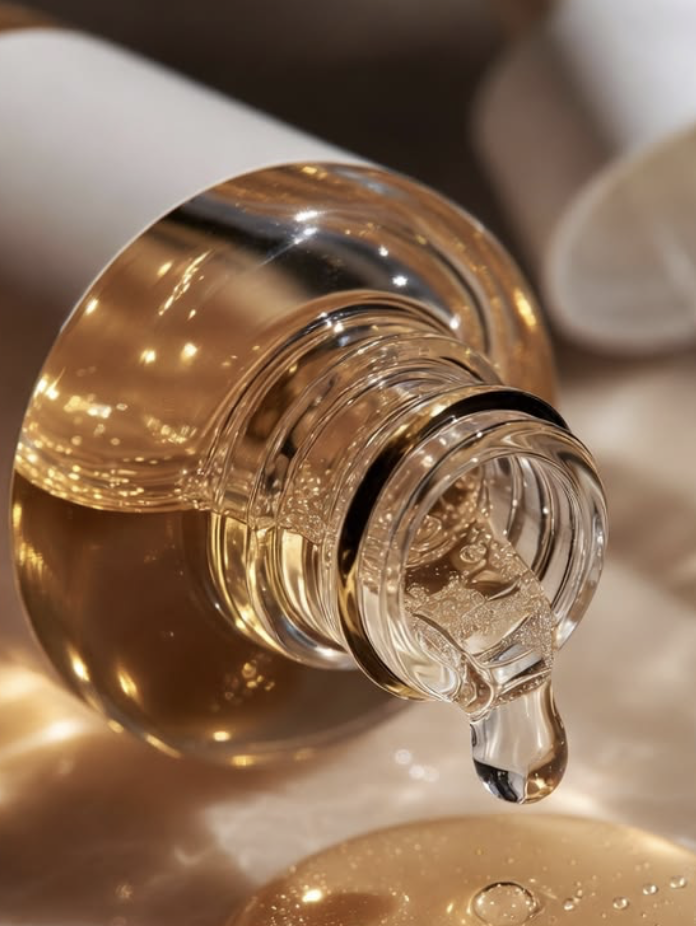
Your Barrier May Be Asking You to Stop
Your skin barrier is the outer protective layer that helps keep water in and irritants out.
When that barrier is functioning well, skin is generally better able to retain moisture and protect itself from the outside environment.
When it becomes disrupted, your skin may feel tight, dry, sensitive, itchy or reactive. Products that never bothered you may suddenly sting. You may notice redness, flaking or the feeling that absolutely nothing agrees with your face.
And what do most women do when this happens?
They panic and add more.
More exfoliation. More masks. More treatments. More new ingredients. More attempts to force the skin to look smooth immediately.
But irritated skin does not always need more intensity. Sometimes it needs fewer variables.
Return to a gentle cleansing routine that works for your skin. Use a familiar moisturizer. Wear broad-spectrum SPF during the day. Stop introducing multiple new active products at once. Give the skin time to recover instead of creating fresh irritation every night.
If symptoms are persistent, severe or concerning, see a qualified dermatologist rather than continuing to experiment.
Your face does not need to be punished into looking better.
Diet Is Part of Your Beauty Routine
Your skin is built from the materials available to your body.
Protein provides amino acids used throughout the body. Essential fats contribute to normal skin function. Fruits and vegetables provide water, fiber, vitamins, minerals and plant compounds. Carbohydrates provide energy. Micronutrients participate in countless processes involved in tissue maintenance and repair.
This is why a woman can spend hundreds of dollars on skincare while accidentally working against her own goals by barely eating, skipping meals and running entirely on caffeine.
Beauty nutrition should not feel like punishment.
Build meals with protein, colorful produce, satisfying carbohydrates and healthy fats. Eat fresh fruit. Use extra-virgin olive oil. Choose foods that make you feel nourished, energized and steady.
There is no single magical beauty food.
The magic is giving your body enough of what it requires consistently.

Where Glow Actually Comes From
Glow is not one serum.
It is what happens when light meets skin that is smooth enough, hydrated enough and calm enough to reflect it beautifully.
It is supported by circulation, hydration, nourishment, sleep, barrier function, consistent skincare and a body that has the resources to recover.
This does not mean throwing away your skincare. It means making your skincare part of a larger beauty system.
Use beautiful products.
Choose ingredients that support your goals.
Protect your skin from the sun.
Support collagen.
Treat concerns intelligently.
But stop expecting the outside of your face to operate independently from the rest of you.
The most powerful beauty routine is the one that works from both directions.
Your Skin Does Not Need Another Random Routine. It Needs a System.
Once you understand that beauty is biological, you stop chasing every new trend and start looking at the complete picture.
What is driving inflammation?
How well are you recovering?
Are you deeply hydrated or simply carrying a water bottle?
Are you giving your body enough nourishment to rebuild?
Is your skincare protecting your barrier—or constantly disrupting it?
Are you holding stress in your jaw, brow, sleep and nervous system?
And what are you telling yourself every time you look in the mirror?
This is exactly why I created The Beauty Codes™️.
The Beauty Codes take you beyond products and into the six interconnected codes shaping how a woman looks, feels, recovers and ages: Radiance, Structure, Vitality, Recovery, Ritual and Identity.
Five build the body.
One builds the woman.
Because your Dream Skin was never going to come from one product. It comes from understanding the complete system—and becoming the woman who knows how to support it.