
What if some of the things you’ve been blaming on “getting older” have a hell of a lot less to do with your birthday than you think?
That is one of the biggest conversations I want women to start having.
Your skin suddenly looks dull. Your face looks depleted. Fine lines look deeper. Your eyes look exhausted. Your hair doesn’t have the same life. Your body feels different. Your energy is gone.
And what are women immediately told?
“You’re getting older.”
Okay. But what else is happening?
Because I refuse to use chronological age as the automatic explanation for every physical change that happens to a woman after 35.
I want to know how hydrated your body is. I want to know how much oxidative stress your body is dealing with. I want to know how you sleep, what you eat, what you drink, how well you recover, what you’re doing to support your body — and, yes, what you believe is supposed to happen to you as you get older.
The three things I think women massively underestimate when it comes to visible aging are dehydration, oxidative stress and the most unexpected one of all: the story you keep telling yourself about aging.
And once you understand these three, the entire anti-aging conversation starts looking very different.
1. Dehydration: Before You Buy Another Serum, Hydrate Your Body

I love skincare. I love beauty technology. I will happily put a bizarre-looking device on my face if I think it is going to make my skin look incredible.
But can we please remember that your face is attached to an entire living body?
Women will spend hundreds of dollars trying to make their skin look hydrated while basically surviving on coffee until noon. That makes absolutely no sense to me.
Water is essential for circulation, temperature regulation, digestion, nutrient transport, waste removal and normal cellular function. Your skin barrier also depends on maintaining water balance.
And while drinking more water is not some magical wrinkle eraser, hydration absolutely matters to the way your skin functions and appears. Under-hydrated skin can look duller, rougher, flatter and more depleted, and fine lines can become more noticeable when your skin lacks water.
So yes, what is happening inside your body can absolutely show up on your face.
But this gets much bigger than glowy skin.
One large NIH-supported analysis followed more than 11,000 adults using decades of health data and found that people whose serum sodium sat toward the higher end of the normal range — something that can increase when fluid intake is lower — were more likely to show markers associated with advanced biological aging and chronic disease.
That does not mean one glass of water turns back your biological clock.
It means hydration deserves a hell of a lot more respect than we give it.
I think most people are drinking water completely wrong.
We have somehow turned hydration into carrying around a giant cup and trying to finish it before bed. That is not my version of hydration.
I want hydration woven through my entire day.
I personally do not drink straight tap water. Period.
That is a personal standard for me. Municipal drinking water can meet government safety standards, but “allowed under municipal drinking-water standards” and “what I personally want to drink all day, every day” are two completely different standards.
I want filtered, high-quality water. And depending on how that water was filtered, I care about minerals too.
I jokingly call the alternative “dead water.”
That is not a scientific term. It is my term for this weird modern concept of water where nobody thinks about the source, filtration, mineral content or anything else. They just pour it out of whatever faucet is nearby and assume hydration begins and ends there.
Not in my house.
You need to understand minerals.
Everybody talks about drinking water. Almost nobody talks about the minerals involved in fluid balance. Sodium, potassium and magnesium are electrolytes, and electrolytes are part of the systems your body uses to regulate fluid balance, nerve signaling and muscle function.
This becomes especially relevant when you are losing fluid through sweating, intense exercise or heat.
I don’t think “hydrate” should automatically mean pounding gallons of plain water.
I think about water and minerals together.
Especially if you use highly purified or reverse-osmosis water, I think it makes sense to actually think about what is — and isn’t — left in that water.
One of my favorite morning rituals is ridiculously simple: beautiful water, fresh lemon and a little high-quality mineral sea salt.
It tastes better. It makes me want to drink water immediately when I wake up. The salt provides sodium, an electrolyte involved in fluid balance, and the lemon turns something extremely basic into an actual ritual I look forward to.
And because I am me, obviously I care which salt I use.
Two of my personal favorites are Salt of Life and Baja Gold.
I am not saying you need to start dumping enormous spoonfuls of salt into everything you drink. More does not automatically mean better.
Hydration is more intelligent than “drink more water.”
I’m saying I want women to understand that hydration is more intelligent than “drink more water.”
Eat Your Water
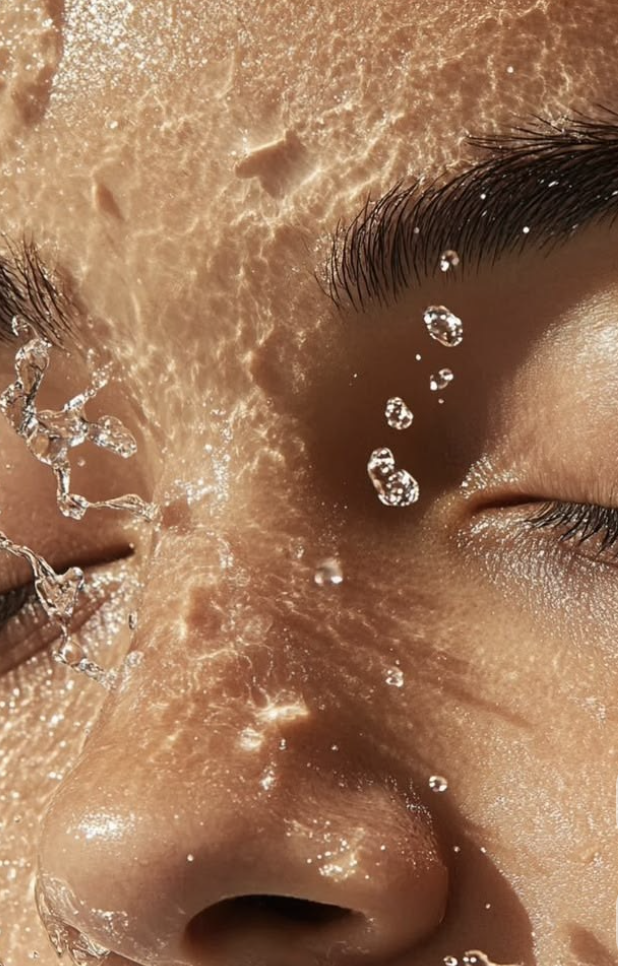
This is another thing modern wellness somehow made complicated.
Food hydrates you too.
A meaningful portion of our total water intake can come from food, and fruits and vegetables are some of the most naturally water-rich foods you can eat.
Fruit is a huge part of the way I eat. I genuinely crave juicy fruit first thing in the morning. I love starting the day with something fresh, beautiful and full of water, and I continue eating fruit throughout the day.
And I swear people underestimate how different you feel when your diet contains a ton of fresh, water-rich whole foods instead of everything being dry, packaged and processed.
You aren’t just getting water. Different fruits also provide potassium, vitamin C, polyphenols, carotenoids, fiber and other nutrients depending on what you’re eating.
If you’re trying to make hydration a bigger part of your life, these are ten of the most water-rich fruits I would start rotating into your diet:
- Grapefruit — approximately 91–92% water.
- Watermelon — approximately 91–92% water.
- Strawberries — approximately 91% water.
- Cantaloupe — approximately 90% water.
- Honeydew melon — approximately 90% water.
- Peaches — approximately 88% water.
- Papaya — approximately 88% water.
- Oranges — approximately 87% water.
- Raspberries — approximately 86% water.
- Pineapple — approximately 85% water.
You do not need to turn this into another insane morning protocol.
Eat the watermelon.
Have the grapefruit.
Cut up the strawberries.
Make beautiful fruit part of the way you eat.
Your body gets hydration from beverages AND food. Start acting like it.
And Then I Take Hydration Into Full Longevity-Nerd Territory: Molecular Hydrogen
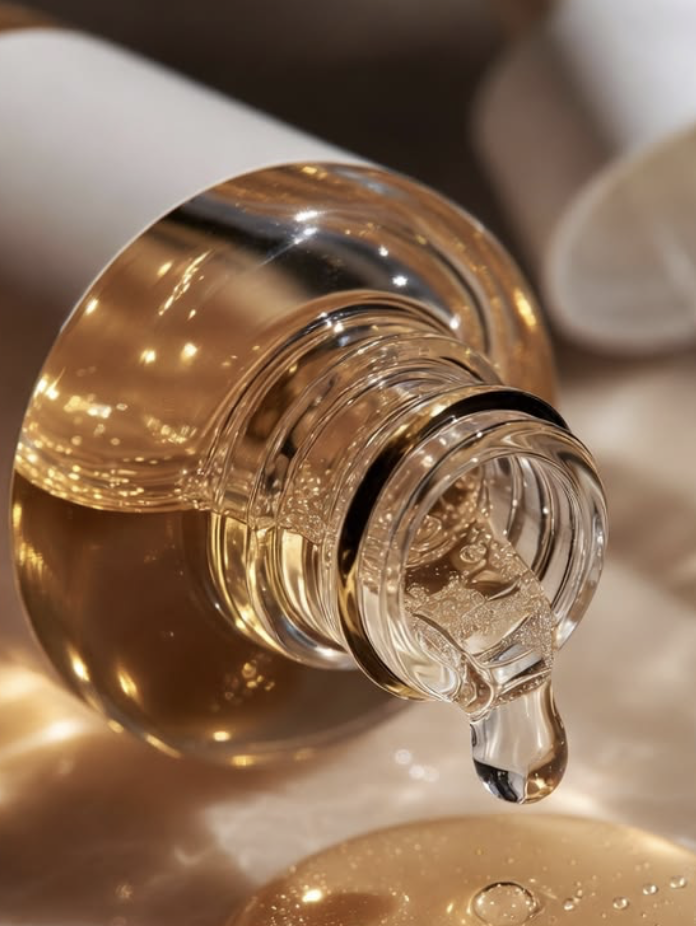
This is where I think wellness is about to get VERY interesting.
I genuinely believe molecular hydrogen is going to become one of the next huge categories in wellness.
I think in a few years you are going to see hydrogen bottles, hydrogen tablets and hydrogen water everywhere and everyone is going to act like they have been doing it forever. I’m telling you now: I think this is coming.
Hydrogen-rich water is water containing dissolved molecular hydrogen, H₂.
Important distinction: the WATER is hydrating you. Molecular hydrogen is interesting for a completely different reason.
H₂ is the smallest molecule, and researchers have been studying it in relation to oxidative stress, redox biology, inflammatory signaling and mitochondrial function.
Human research on hydrogen-rich water is growing, and that is exactly why I find this space so fascinating.
I’m early on it on purpose.
And the specific molecular hydrogen I use takes this conversation into another universe.
I use LumiVitae LV.IQ.
It is not just a basic hydrogen tablet.
You drop it into your water and the formula contains molecular hydrogen plus nicotinamide riboside, resveratrol, spermidine, magnesium, vitamin C and vitamin B12.
That is why I think this formulation is elite.
Nicotinamide riboside, or NR, is a precursor the body can use to produce NAD+, a molecule involved in cellular energy metabolism.
Resveratrol is a polyphenol that has been extensively studied in cellular-stress and longevity research.
Spermidine is one of the compounds I find especially fascinating in longevity because of its relationship with autophagy, the cellular recycling process involved in clearing and reusing cellular material.
Magnesium is an essential mineral involved in hundreds of enzymatic processes throughout the body.
Vitamin C is an antioxidant and is required for normal collagen synthesis. Obviously, hello beauty.
Vitamin B12 is essential for neurologic function, red blood cell formation and DNA synthesis.
And then you have the molecular hydrogen itself.
All of that inside something I was already going to do anyway: drink water.
THAT is the kind of wellness habit I love.
High impact. Easy. Beautiful. Fits into real life.
And molecular hydrogen becomes even more interesting when we get into the second thing I think is quietly aging people.
2. Oxidative Stress: The Damage You Don’t See Until You Do
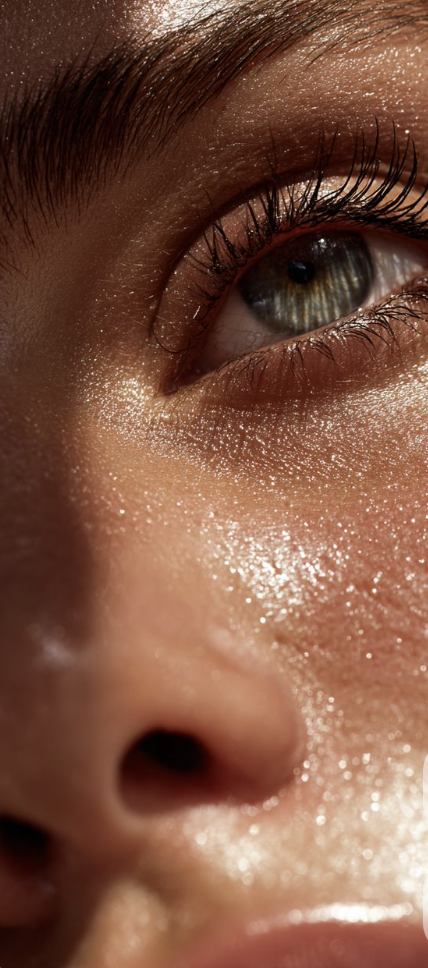
If you care about longevity and you do not understand oxidative stress, this is one rabbit hole I actually want you to go down.
Your body naturally produces reactive oxygen species. They aren’t automatically bad; they are involved in normal biological processes.
Your body also has antioxidant defense systems designed to keep everything in balance.
Oxidative stress happens when that balance gets disrupted and oxidative activity exceeds the body’s antioxidant defenses.
And your skin is living directly at the intersection of your internal biology and the outside world.
UV radiation. Pollution. Cigarette smoke. Alcohol. Environmental exposures. Normal metabolic activity.
Your skin deals with a lot.
Oxidative stress is involved in the biology of both intrinsic skin aging and photoaging, including processes related to collagen degradation and changes in the extracellular matrix.
Eventually, things happening microscopically become things you see macroscopically.
Fine lines. Wrinkles. Uneven pigmentation. Changes in texture. Loss of elasticity. That tired, depleted look everyone instantly decides must be “age.”
This is why I do not believe longevity beauty begins and ends with skincare.
I want the serum.
I want the serum. But I also want to understand the environment that serum is being applied to.
But I also want to understand the environment that serum is being applied to.
What is happening inside the body?
How much oxidative stress am I piling on?
How am I supporting my body’s own defense systems?
That is where this gets interesting.
Glutathione: Your Body Already Built an Antioxidant System
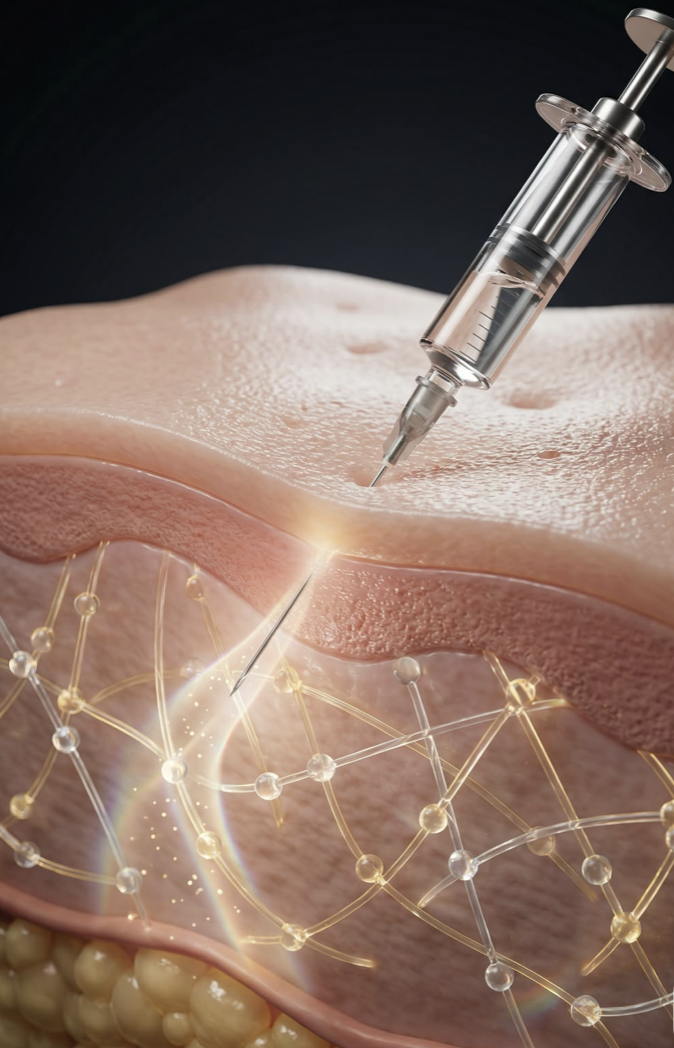
Glutathione is one of the body’s major endogenous antioxidants.
Endogenous means your body produces it itself.
That alone should tell you why I’m so obsessed with it.
This isn’t a random “beauty vitamin” somebody invented because it looked good in pink packaging.
Glutathione is genuinely involved in cellular redox balance and antioxidant defense.
Human studies have also examined oral glutathione supplementation and shown that longer-term supplementation can increase measured glutathione stores in the body.
That is the conversation I care about.
I am not looking for one capsule that promises to magically erase my wrinkles by Tuesday.
I want to support the systems my body already uses to protect itself.
The oral glutathione I personally love is Cymbiotika Liposomal Glutathione.
The formula combines glutathione with phosphatidylcholine from sunflower lecithin, ubiquinol CoQ10, PQQ and riboflavin in a liposomal delivery system.
I love that it isn’t just glutathione tossed into a basic capsule. It is a more intentional formulation built around antioxidant and cellular-energy support.
I also personally use subcutaneous glutathione through a provider-guided program. That is the route I personally chose for myself; injections belong in a medical/provider setting, not as a random DIY wellness experiment.
Molecular Hydrogen Belongs in This Conversation Too
This is the other reason I’m so bullish on molecular hydrogen.
Remember: hydration is one reason I’m drinking the water.
Oxidative-stress biology is the completely separate reason I’m interested in the H₂.
Hydrogen-rich water has been investigated in human research involving oxidative stress, antioxidant capacity and other areas of metabolic and cellular health.
The field is still developing, and that does not make me less interested.
It makes me feel like we’re watching a category develop in real time.
I genuinely believe this is going to be one of the biggest wellness conversations of the next several years.
Astaxanthin: The Beauty Antioxidant I Actually Care About
Then we have astaxanthin.
If you haven’t gone down the astaxanthin rabbit hole yet, welcome.
Astaxanthin is a naturally occurring carotenoid antioxidant found in certain microalgae and marine organisms, and this is one of the supplements I love specifically because there is human research looking directly at skin.
Clinical research has found improvements in measurements including skin moisture and elasticity with oral astaxanthin.
And I actually love that we’re talking about measurable skin qualities here rather than pretending every antioxidant magically erases wrinkles.
Hydration and elasticity are extremely relevant to how youthful skin looks and feels.
The astaxanthin I use is the NAOMI Astaxanthin + CoQ10 formula. It combines 12 mg of astaxanthin with 200 mg of CoQ10.
Again: intelligent combinations.
That is what I want.